
Protect What Matters Most
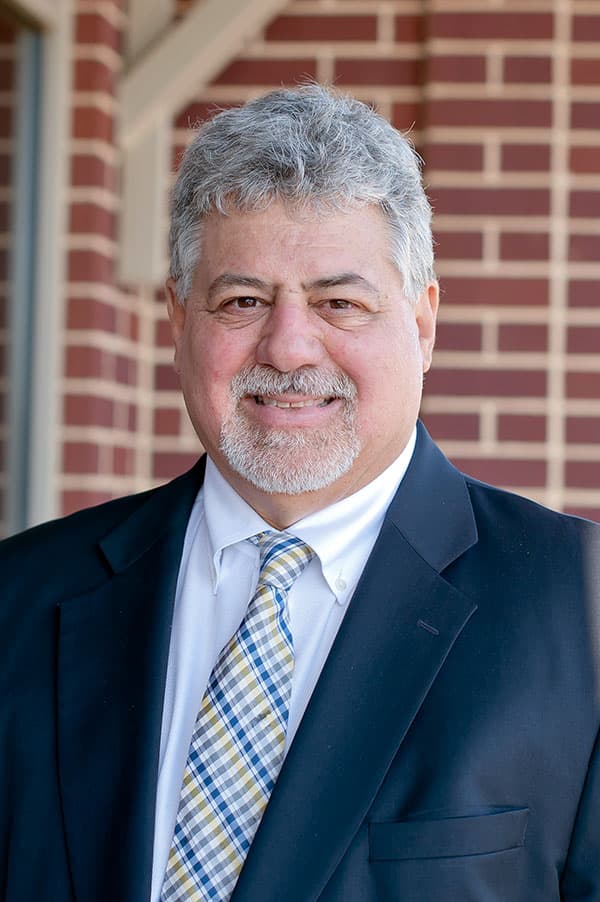
David C. Onorato | Partner
With over 30 years of experience, David helps families and individuals create personalized estate plans that protect their loved ones and preserve their legacy.
30+
Years Experience
5
State Licenses
What We Handle
Comprehensive Estate Planning Services
From simple wills to complex trust structures, David provides thoughtful guidance tailored to your family's unique needs.
Wills
A properly drafted will ensures your assets go where you intend and your loved ones are provided for.
Learn MoreTrusts
Revocable and irrevocable trusts to protect assets, minimize taxes, and avoid probate.
Learn MorePowers of Attorney
Designate someone you trust to handle financial decisions if you’re unable to.
Learn MoreHealthcare Directives
Living wills and healthcare proxies so your medical wishes are honored.
Learn MoreProbate & Estate Administration
Guiding executors and families through the probate process with care.
Learn MoreBusiness Succession Planning
Ensure your business continues smoothly when you step away or pass on.
Learn MoreWhat to Expect
A Simple, Straightforward Process
Free Consultation
We’ll discuss your family situation, goals, and concerns in a no-pressure conversation.
Personalized Plan
David develops a strategy tailored to your specific needs, family structure, and assets.
Document Drafting
We prepare your documents with meticulous attention to detail, then review everything with you.
Ongoing Support
Life changes. We’re here to update your plan as your family and circumstances evolve.
Ready to get started?
Start Your Estate PlanYour Attorney
David C. Onorato
Partner | Hladik, Onorato & Federman, LLP
“I most enjoy helping to shape the community in which I live and work and helping my clients meet their needs.”
A Lansdale native with over 30 years of legal experience, David brings deep community knowledge to every client relationship. His extensive background in municipal law gives him a unique understanding of local governance and the legal landscape that affects families and businesses in the region.
Beyond the office, David is an active community member, serving on the board of the North Penn YMCA and volunteering with the Morgan Log House. His commitment to the community he serves informs his approach to estate planning — thoughtful, personal, and rooted in genuine care.
Education: University of San Diego School of Law; Arizona State University. Admitted in: Pennsylvania, California, and Arizona.
View Full ProfileWho We Help
Estate Planning For Every Stage of Life
New Parents
Naming guardians, setting up trusts for minors, and ensuring your children are always protected.
Newlyweds
Combining assets, updating beneficiaries, and building a plan that reflects your new life together.
Business Owners
Succession planning, buy-sell agreements, and protecting the business you’ve built.
Approaching Retirement
Maximizing what you pass on, minimizing taxes, and planning for long-term care.
After a Loss
Guiding families through probate, trust administration, and the legal steps that follow.
Why It Matters
Estate Planning Is About More Than Documents
It's about making sure the people you love are taken care of, your wishes are honored, and your legacy is preserved — no matter what happens.
What Happens Without a Plan
If you pass away without an estate plan, Pennsylvania's intestacy laws determine who inherits your assets. A court decides who raises your minor children. Your family may face months of probate delays, unexpected tax burdens, and costly legal disputes — all at a time when they're already grieving.
Even if you have a will from years ago, life changes can make it outdated. A divorce, a new child, a move to a different state, or a significant change in assets can all render your existing plan ineffective or even counterproductive.
Who Needs an Estate Plan
The short answer: everyone. But estate planning is especially urgent if you are a parent of minor children, own a home or business, have retirement accounts or life insurance, are married or in a domestic partnership, or are caring for aging parents. Even young, healthy adults benefit from having a healthcare directive and power of attorney in place.
The Estate Planning Process
David's approach starts with listening. In your initial consultation, he'll take the time to understand your family situation, your financial picture, and what matters most to you. There's no pressure and no jargon — just a straightforward conversation about your goals.
From there, David will recommend a plan tailored to your situation. For some families, a simple will and power of attorney is all that's needed. For others, a trust structure may offer better protection, tax advantages, or control over how assets are distributed over time.
Once your documents are drafted, David reviews every detail with you to make sure everything reflects your wishes. He'll also help you understand when and why to update your plan as your life evolves.
Pennsylvania-Specific Considerations
Pennsylvania has its own inheritance tax (ranging from 0% to 15% depending on the beneficiary's relationship to you), specific probate procedures, and rules about what passes outside of a will. David's decades of experience practicing in Pennsylvania means he knows the local landscape — from Montgomery County Orphans' Court procedures to state-specific trust requirements.
Testimonials
What Our Clients Say
“David made the entire process simple and stress-free. We finally have peace of mind knowing our children are protected.”
“After putting it off for years, I’m so glad we finally sat down with David. He explained everything clearly and made sure our plan covered all the bases.”
“When my mother passed, David guided our family through probate with patience and genuine care. We couldn’t have managed without him.”
Common Questions
Frequently Asked Questions
Get answers to common questions about estate planning in Pennsylvania.
Do I need a will even if I’m young and healthy?
Yes. Life is unpredictable. If you own anything, have a partner, or have children, a will ensures your wishes are followed — not the state’s default rules.
What’s the difference between a will and a trust?
A will takes effect after death and goes through probate. A trust can take effect immediately, avoids probate, and offers more control over how and when assets are distributed.
What happens if I die without a will in Pennsylvania?
Pennsylvania’s intestacy laws decide who inherits your assets. This may not align with your wishes and can lead to delays, disputes, and unnecessary costs for your family.
How often should I update my estate plan?
Review it every 3–5 years or after any major life event: marriage, divorce, birth of a child, significant asset change, or move to a new state.
What is probate and can I avoid it?
Probate is the court-supervised process of validating a will and distributing assets. Certain strategies, including trusts, can help your estate avoid or minimize probate.
How much does estate planning cost?
It depends on the complexity of your situation. David offers a free initial consultation to understand your needs and provide a clear picture of costs before any work begins.
What should I bring to my first consultation?
Any existing estate documents (wills, trusts, POAs), a list of your major assets and debts, and information about your family structure. Don’t worry if you don’t have everything — David will guide you.
Free Estate Planning Checklist
Not ready for a consultation yet? Download our checklist to see where you stand — and what you might be missing.
We'll send you the checklist and nothing else. No spam.
Ready to Protect Your Family's Future?
Take the first step toward peace of mind. Schedule a free consultation with David to discuss your estate planning needs.